Con Dao is one of the last places in Vietnam where you can hike through jungle to empty beaches, watch turtle hatchlings at sunrise, and swim in crystal-clear water — all without crowds. If you’re looking for a complete Con Dao Vietnam travel guide, this is everything you need to know before visiting.
I originally planned to stay for three days, but ended up spending almost two weeks on the Con Dao Islands.
During that time, I explored nearly all hiking trails, found hidden paths to quiet beaches, and checked the best sunset and swimming spots. I also tried a wide range of local food and snorkeled around shipwrecks.
Some of my highlights were spotting unique wildlife (such as the collared scops-owl) and watching turtle hatchlings make their way to the ocean.
Con Dao stands out for its raw, untouched feel — with clear turquoise water, dense jungle, and a slower pace that’s becoming rare in Vietnam.
In this guide, I’ll share how to get there, where to stay, the best things to do, and what to expect.
Disclosure: The Always Wanderer is supported by its readers. When you buy something using my links, I may earn a small commission at no additional cost to you.
No Time to Read?

Con Dao at a Glance
Best for: Forest trails, quiet beaches, and history — ideal for travelers looking for a calm, uncrowded island escape with a mix of nature and heritage.
How long: 3–4 days is enough to see the highlights at a good pace.
Getting there: 45-minute flight from Ho Chi Minh City (~$30–60).
Things to do: Turtle hatchling release (standout experience), hiking in Con Dao National Park, Bai Nhat Beach, Dam Trau Beach for swimming in turquoise, clear water.
Skip if: You’re looking for nightlife, Western-style party scenes, or busy tourist crowds. Con Dao stays quiet and low-key.
Where to Stay
Hotel de Condor
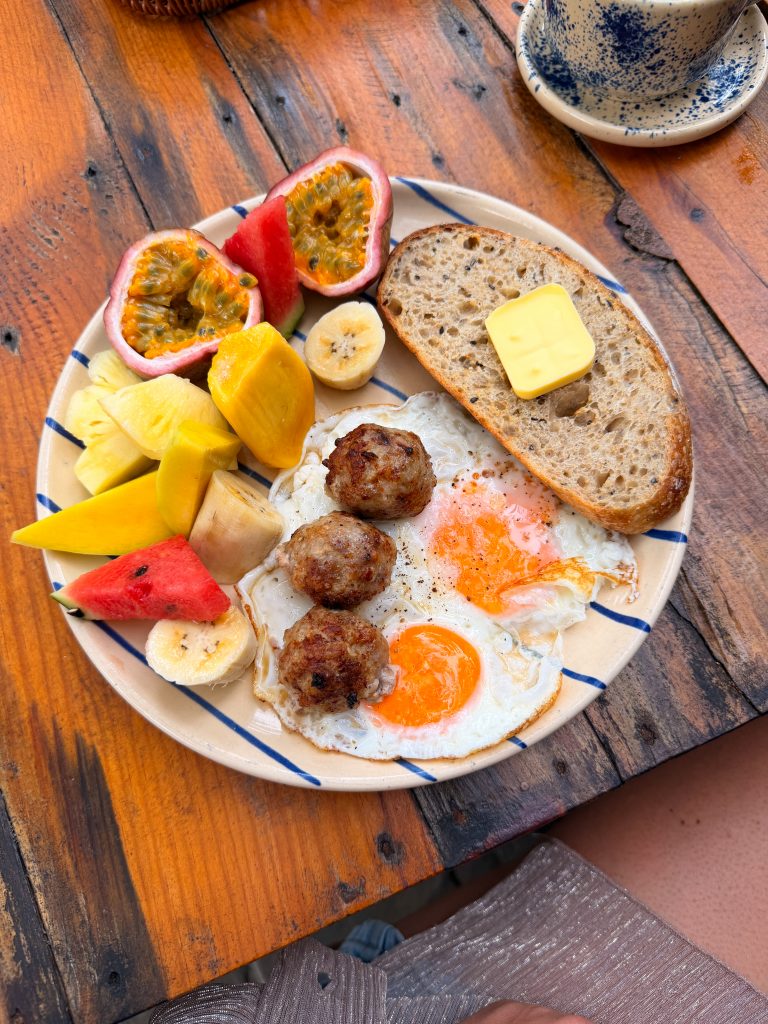
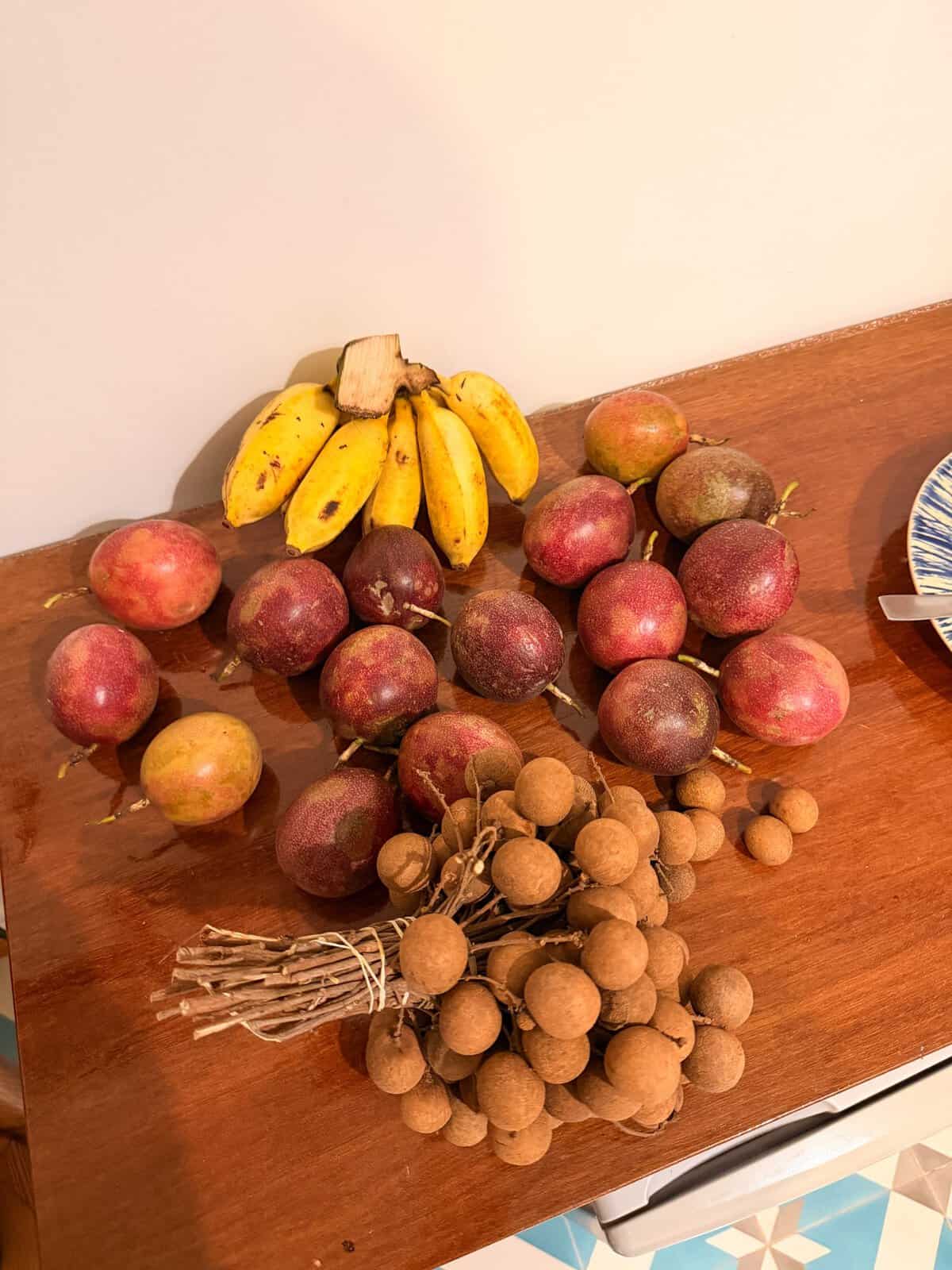
Stayed here for nearly two weeks. Breakfast stood out with fresh tropical fruit (especially passion fruit) and in-house baked bread. The hosts also provided scooter rental, arranged transport, and gave practical advice on hiking trails and island logistics — which made exploring Con Dao significantly easier.
Eden House
A smaller, nature-focused stay with a quiet atmosphere and attentive hosts. Strong connection to the natural surroundings and a relaxed pace away from the busier areas.
Both are highly in demand during peak season and tend to book out early.
Is Con Dao Worth Visiting?
Con Dao is a great choice if you like visiting places that are still off the beaten path — and in my experience, it’s one of the most underrated islands in Vietnam.
More than 80% of Con Dao is covered by the Con Dao National Park, which makes it perfect for nature lovers. There are great hiking trails, and most of them are fully paved, so you can explore on your own without worrying about getting lost or stepping on a snake… 🙂
Amenities on Con Dao are surprisingly good for such a remote island. There are dozens of eateries/restaurants and plenty of coffee places, so it still feels comfortable while staying quiet and authentic.
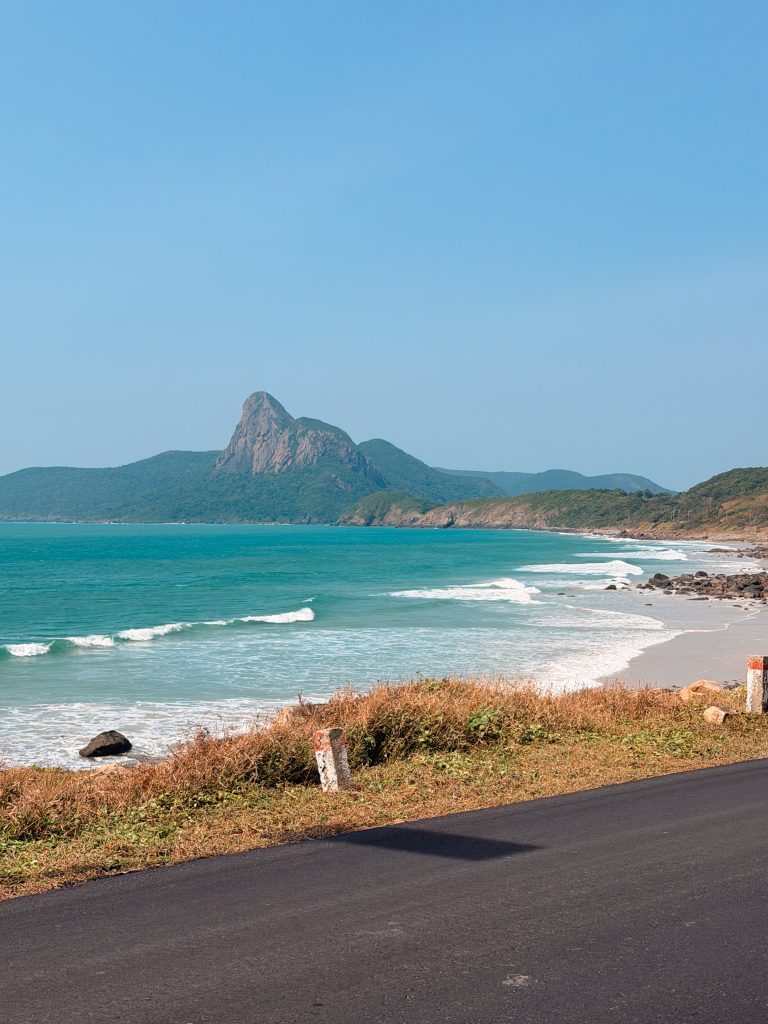
As for beaches, you’ll find stunning, uncrowded beaches with turquoise water — and often you might be the only person swimming there.
That said, Con Dao isn’t for everyone. If you’re looking for nightlife, beach bars, or a social backpacker vibe like Railay Beach in Thailand or Siquijor in the Philippines, this island will probably feel too quiet.

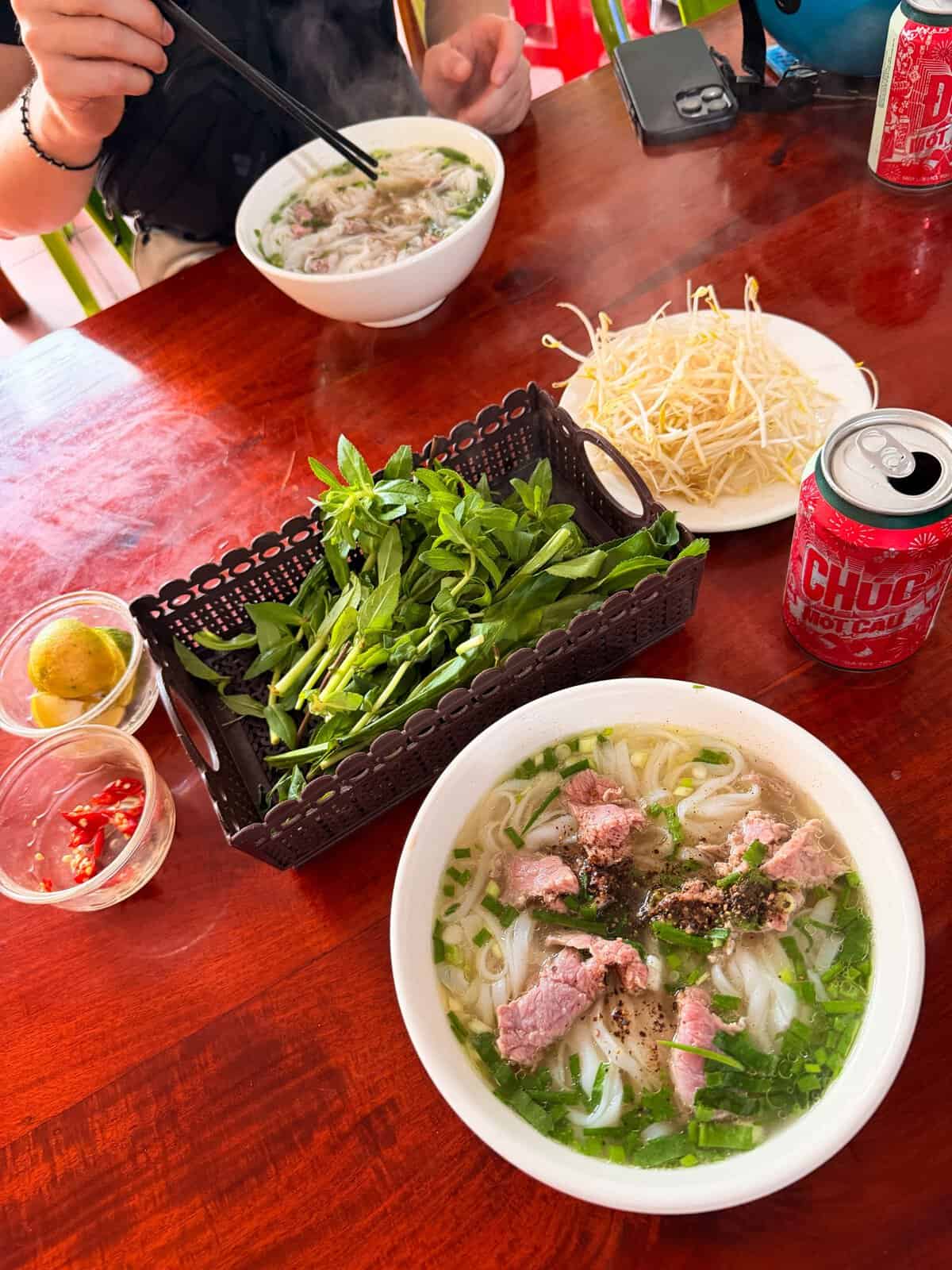
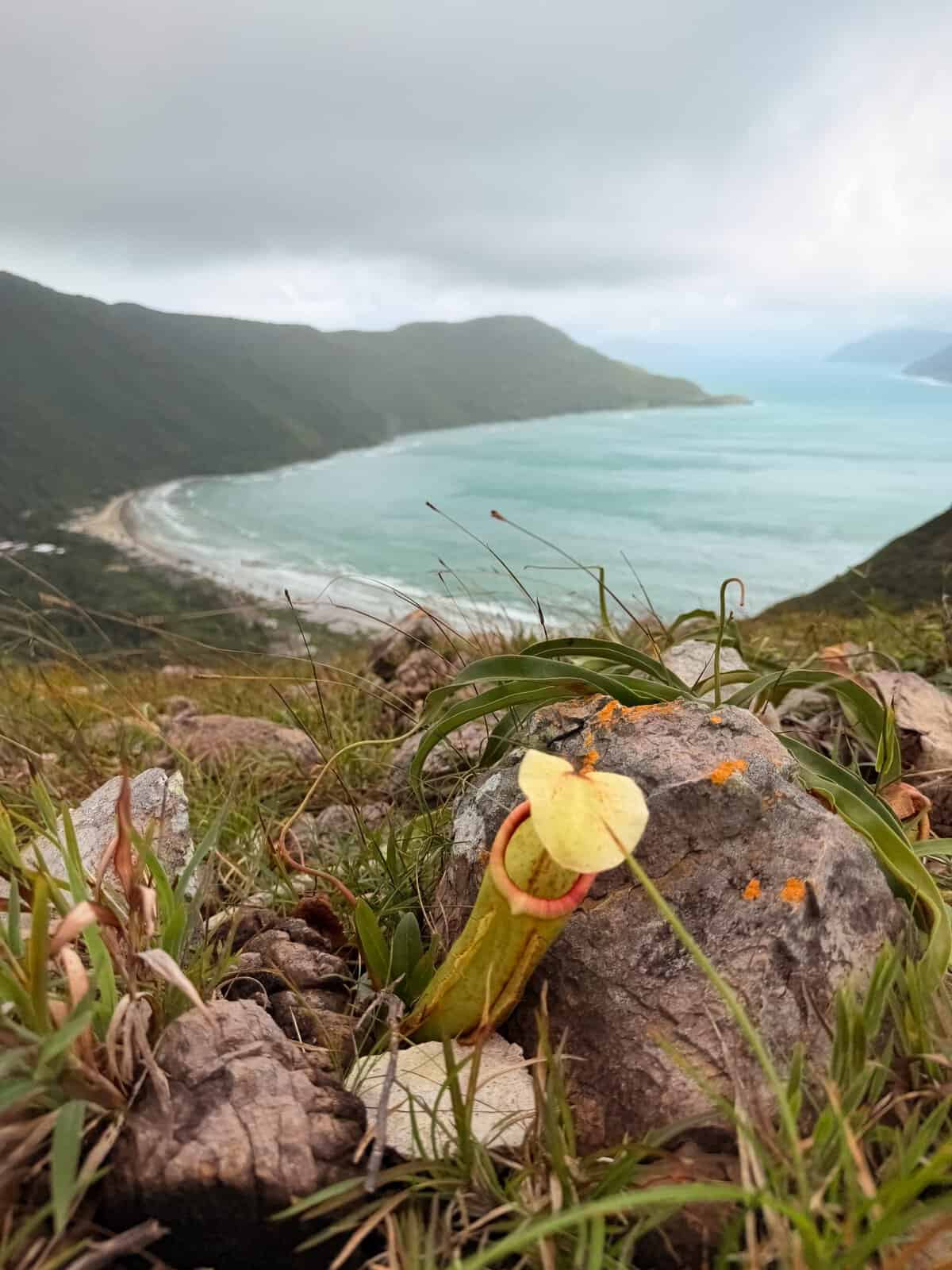
Cơm Phở Bảo Yến – our favourite place to eat pho The first time of our lives, we found pitcher plants!
Where to Stay in Con Dao
As you fly in to Con Dao, you will fly into Con Son island. Con Son island has only one town. Stay there for good access to everything – tours, markets, cafes and restaurants.
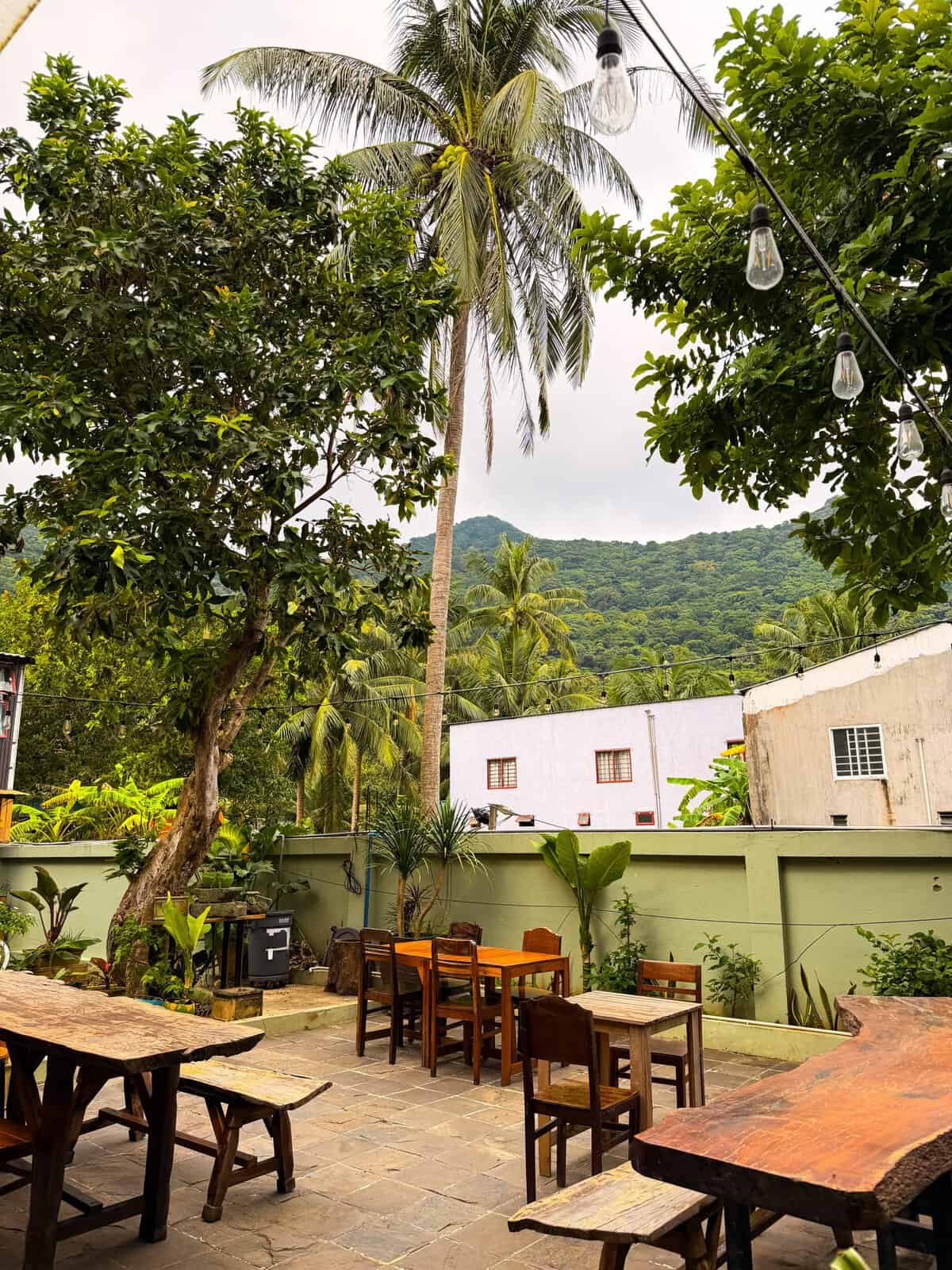
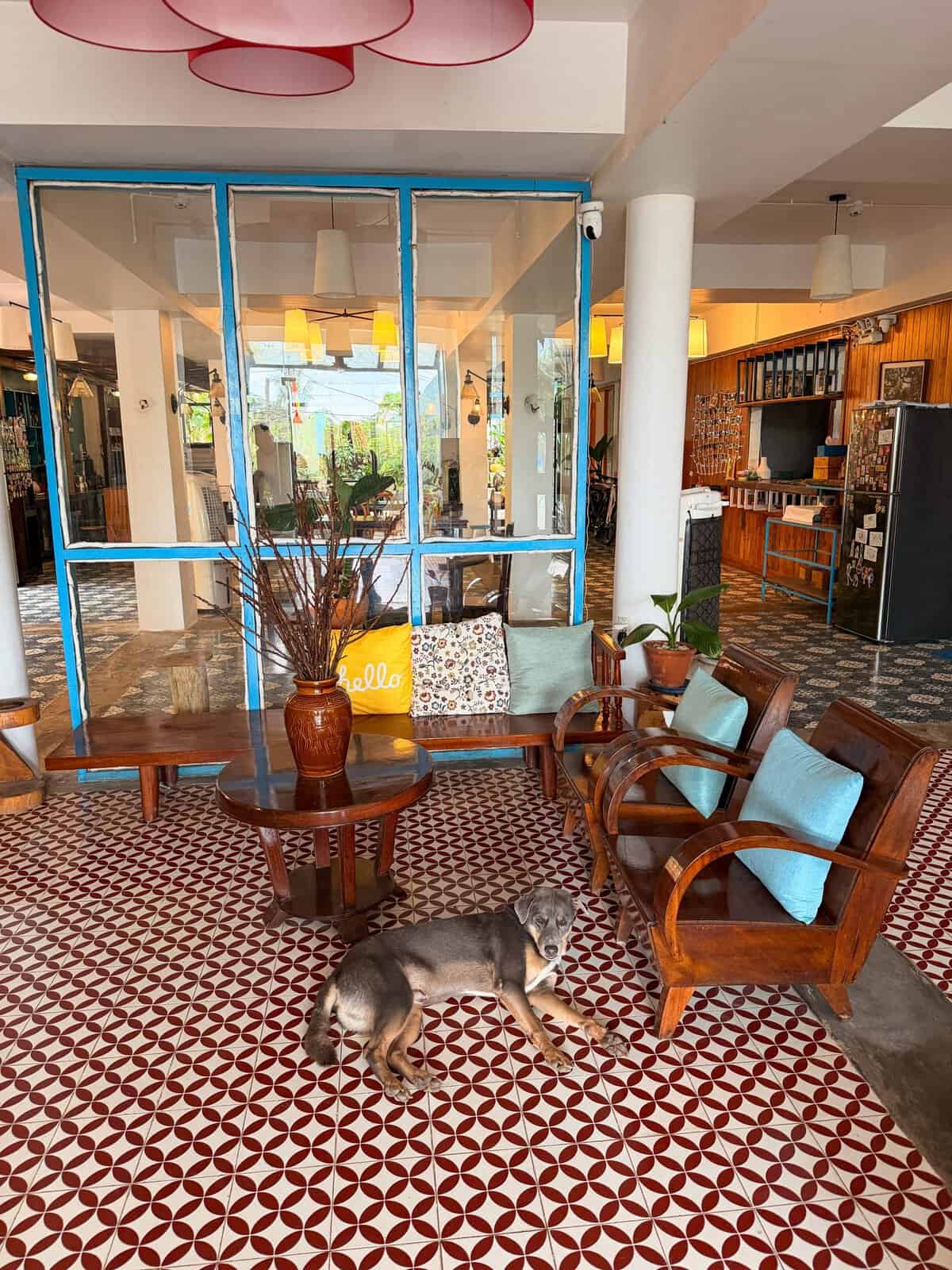
We stayed at Hotel de Condor and I would stay there again anytime. They ensure guests have great comfort, with spotless and spacious rooms. We originally arrived for 3 days but ended up staying for 12 nights because we enjoyed it so much.
A real highlight of was the healthy breakfast included in the price, along with the beautiful garden area. You can also rent a scooter there, and the in-house restaurant is excellent. The hotel manager even bakes real European bread.
What stood out most, however, were the hosts. They are extremely friendly and welcoming, and after 12 nights we felt like family there. They invited us to share local food with them and gave us great insider tips for exploring Con Dao.
However, if you are looking for more upscale hotels with pool, stay at the Secret Con Dao or at the Con Dao Resort.
Hotel de Condor`s garden area Reception area in Hotel de Condor
Why Con Dao Is Still Under the Radar
Con Dao is still relatively unknown (thankfully), which I believe is largely due to its history. The island is home to a vast prison complex, with remnants spread across different areas, and it can be visited today as a museum.
Over 80% of visitors to Con Dao are Vietnamese, often coming to pay their respects by bringing flowers to historic sites, temples, and churches. Many visit the shrines to honor the island’s past.
At the same time, we met quite a few Westerners who had moved to Con Dao and were loving life there, which shows a completely different side of the island.
The Beaches of Con Dao
Con Dao has some of the most untouched beaches in Vietnam — often completely empty, with clear turquoise water and no infrastructure. After spending nearly two weeks on the island, these are the spots that stood out most.
Bãi Nhát (Best Sunset Beach)
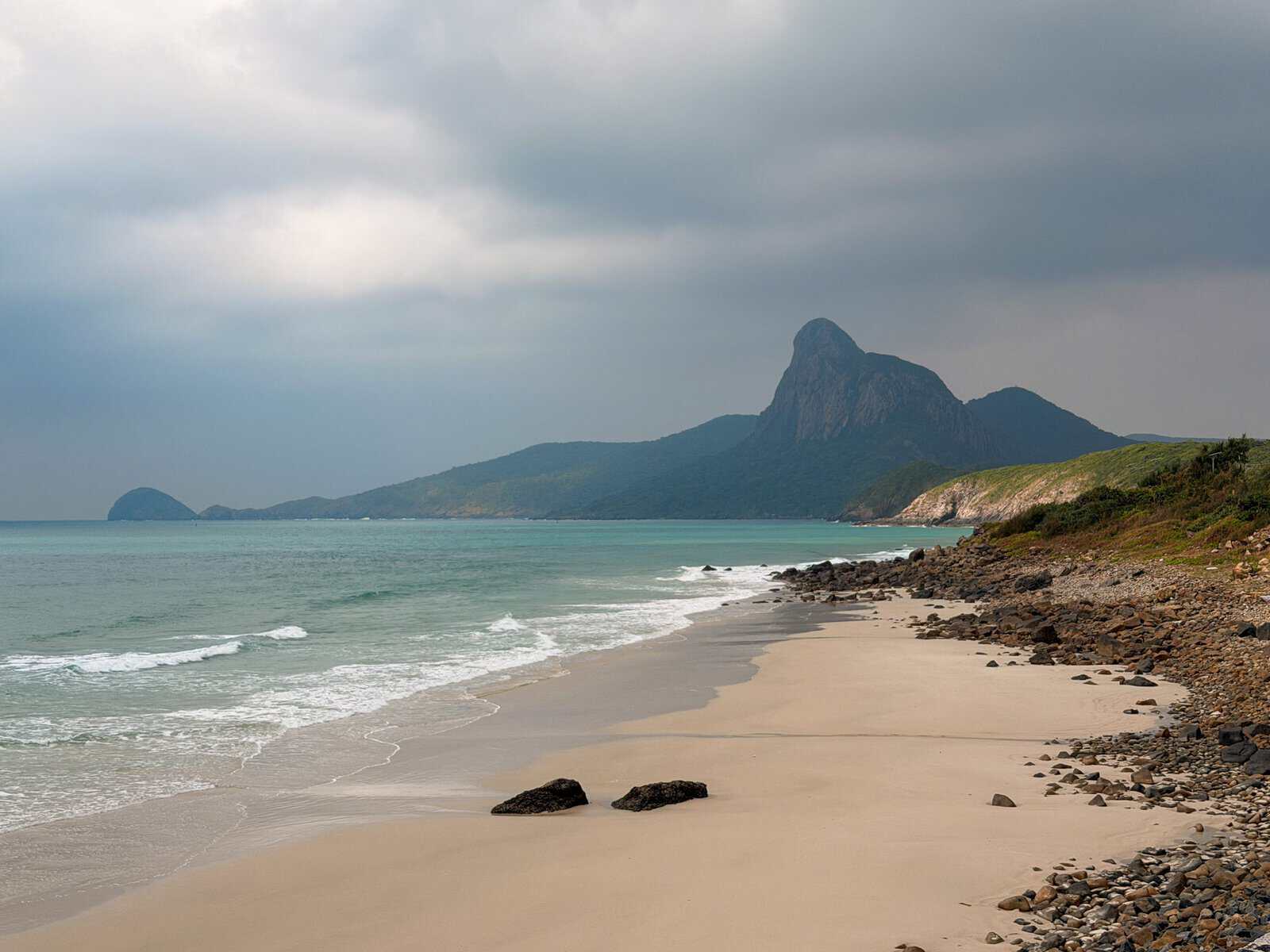
Bãi Nhát is one of the most scenic beaches on Con Dao, surrounded by dramatic rock formations and wide ocean views.
At first, we didn’t even go into the water because no one else was swimming. Later, it became our go-to sunset spot. The waves can get quite strong in the afternoon, which actually makes it fun — we spent evenings just playing in the surf.
You’ll need a scooter to get here, but parking is easy. There are no entrance fees and often no other people. No facilities either.
Tái Sinh Zone (Sunset + Snorkeling Spot)
Tái Sinh Zone is a small eco-focused restaurant and one of the more social sunset spots on the island.
It gets busier in the evening, but for good reason — the view is excellent. The place itself is built around sustainability, with handmade items created from recycled materials.
You can rent snorkeling gear here. From the shoreline below the restaurant, swim about 10–15 minutes to the right for one of the better snorkeling areas on Con Dao. Don’t expect huge amounts of marine life, but it’s one of the few accessible spots from shore.
Bãi biển Đông (Plane Spotting, Not for Swimming)
Located near the airport, this beach can be interesting if you want to watch planes land up close.
However, when we visited, it had quite a bit of trash and wasn’t suitable for swimming. It has potential, but currently not one of the best beach experiences on the island.
Bãi tắm An Hải (Town Beach)
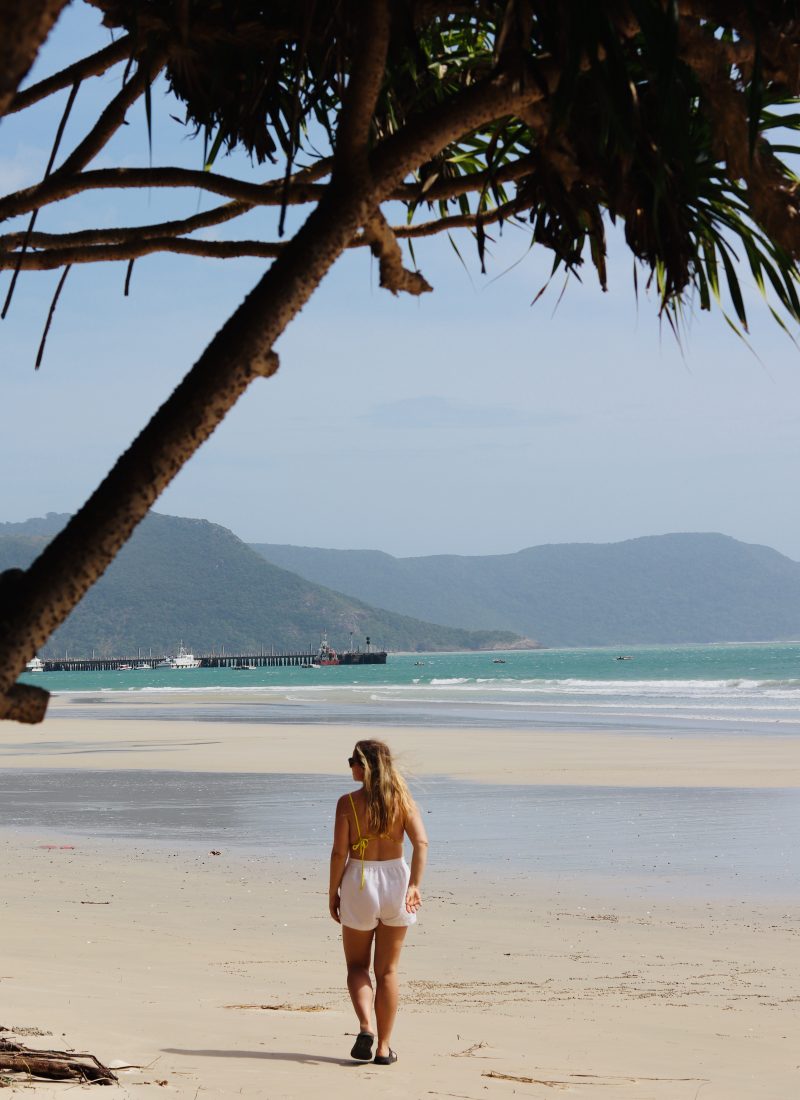
This is the main beach in Con Son town.
It looks especially সুন্দর in the morning when the sun lights up the water, but we personally didn’t find it very inviting for swimming. Still, it’s an easy, central option if you’re staying nearby.
Bãi Suối Nóng (Hidden Gem Near the Airport)
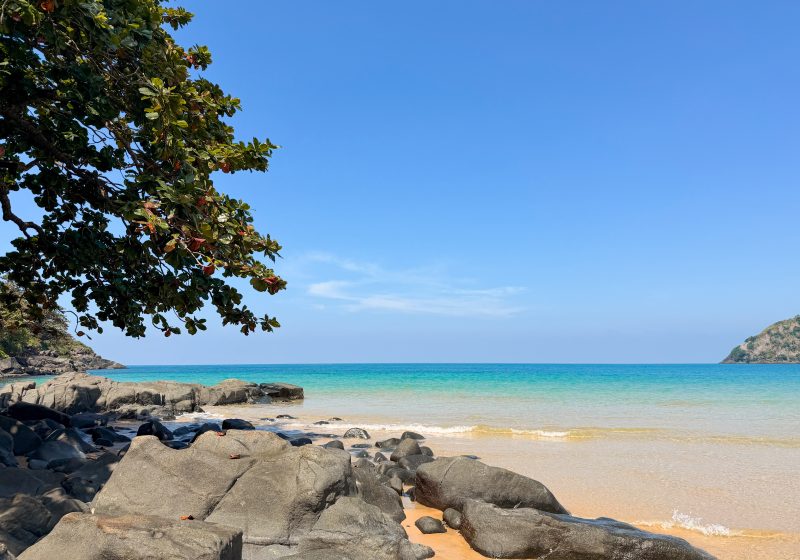
This was the best beach we found — not just on Con Dao, but during a full month of traveling Vietnam.
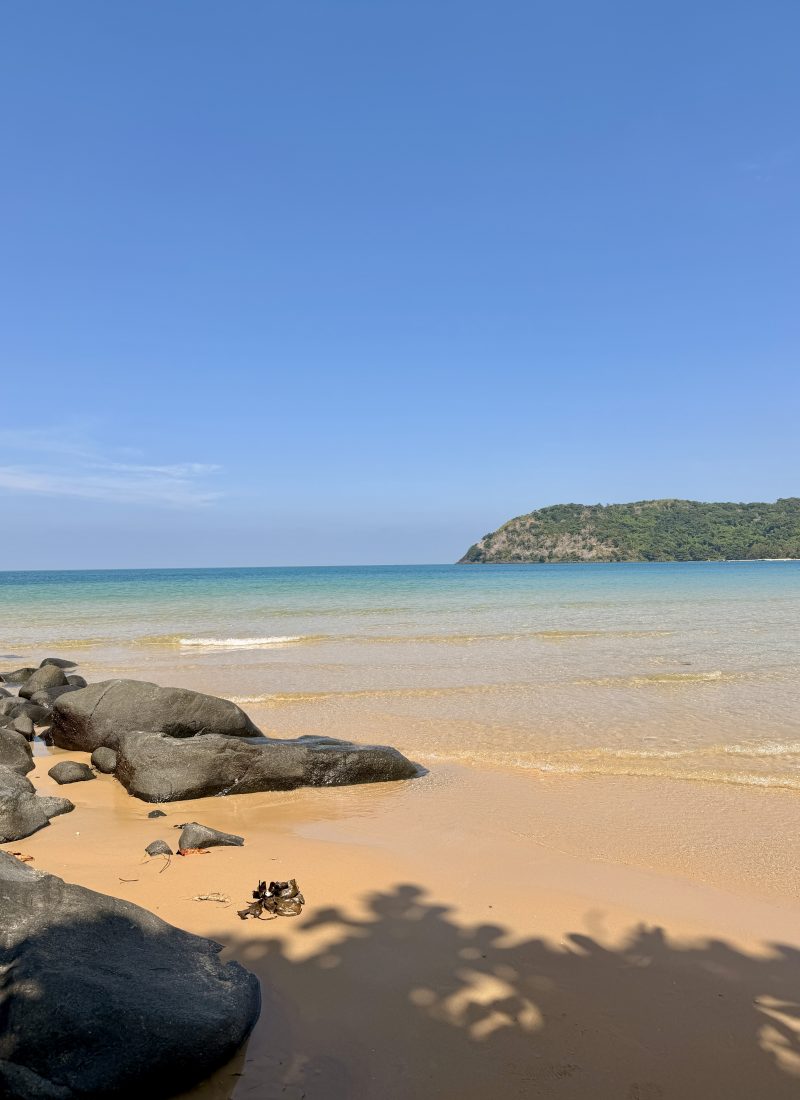
Located near the airport (close to Bãi Đầm Trầu), you’ll need to park your scooter and follow a short 5–10 minute walking path to reach it. The entrance is easy to find — usually recognized by a few parked scooters and a there`s a small sign.
The beach itself feels almost unreal: clear Caribbean-blue water, soft sand, natural shade from trees, and rock formations to relax on. It’s clean, quiet, and perfect for swimming.
There are no facilities, so bring everything you need — and take your trash with you. Places like this stay special only if people treat them responsibly.

Beach Near Airport (best for swimming) Con Son Town Beach
Snorkeling on Con Dao
Snorkeling directly from the beaches is possible, but marine life is relatively limited.
For a better experience, it’s worth joining a boat tour to reach more remote spots. These trips typically offer clearer water and more diverse underwater life. Just ask your host to arrange a snorkeling tour – hint: it`s best done together with the turtle hatchling experience.
Turtle Hatchling Experience
This was the most memorable experience of our entire time in Vietnam.
Between roughly August and December, you can witness baby sea turtles being released into the ocean — a rare, tightly managed conservation activity on Con Dao.
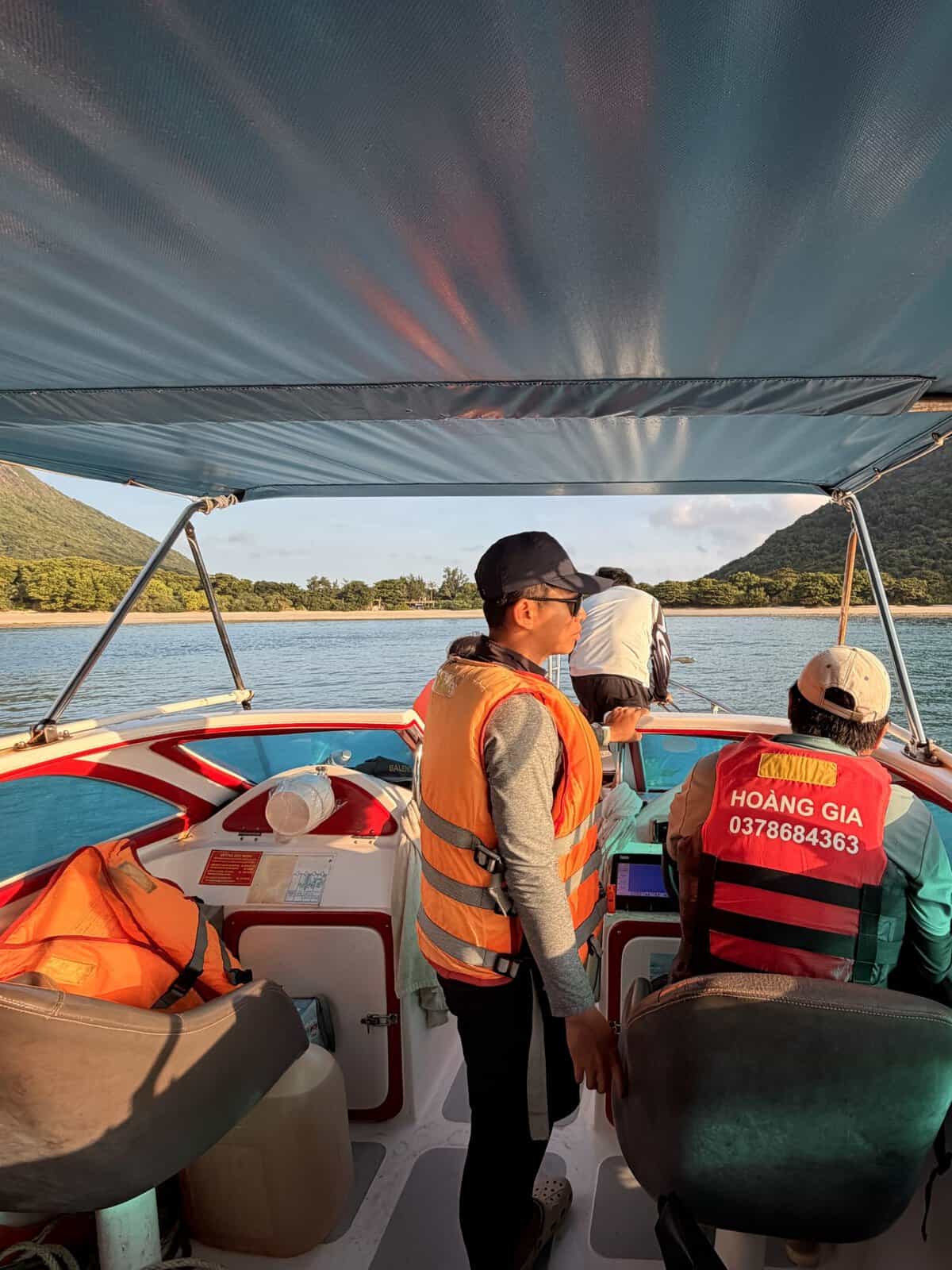
The day starts early. At around 6 a.m., you meet at the main pier on Con Son Island and take a boat to Hon Ba Island, a deserted island where the turtle incubation centre is located.
On arrival, rangers give a short introduction about sea turtles and the conservation work on Con Dao.
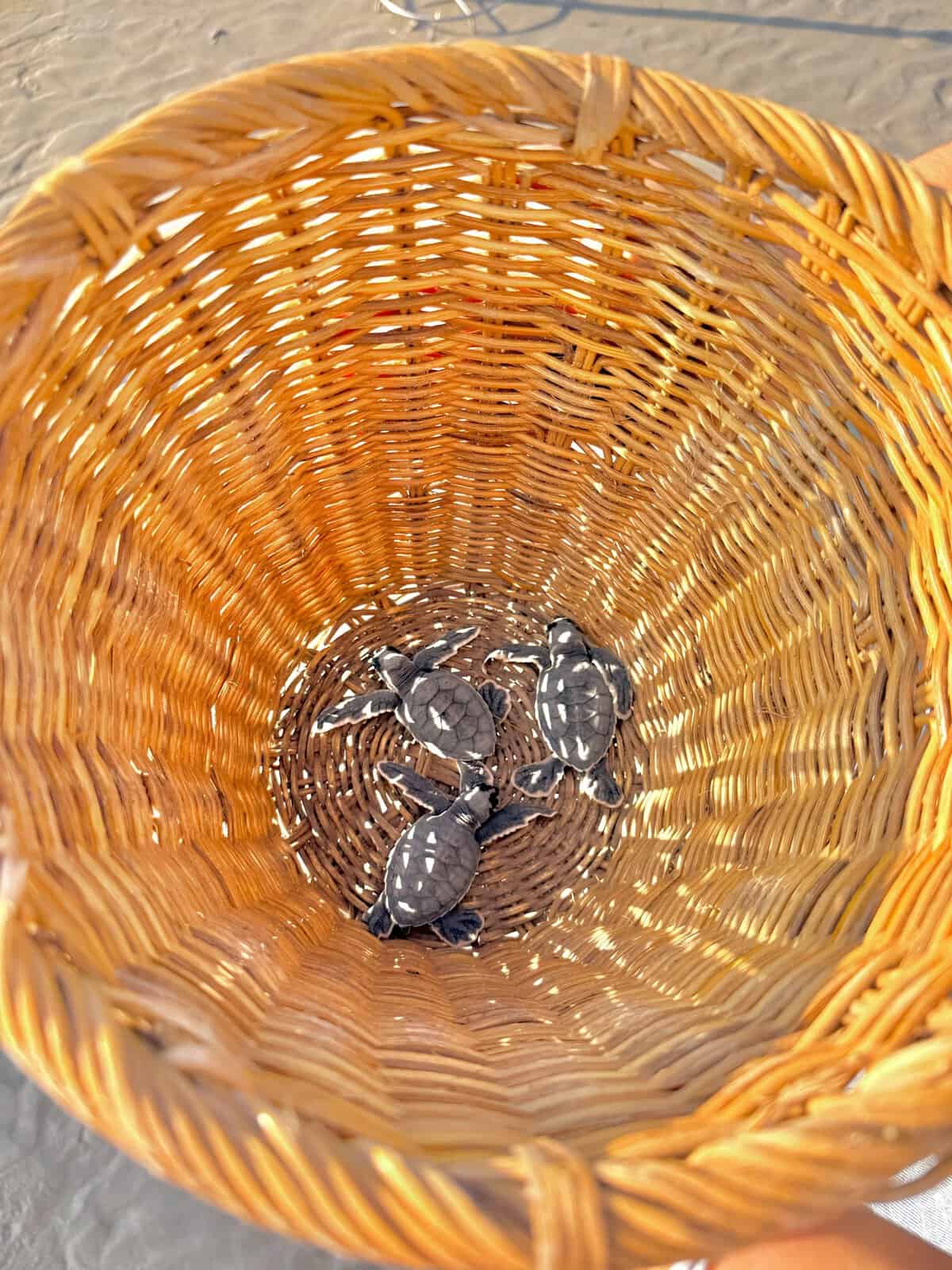
Then comes the highlight. Each visitor receives a small bucket with 1–4 hatchlings. The turtles are usually just one day old. You carry them to the shoreline and release them into the sea.
At first, they move slowly. Within minutes, instinct takes over.
You have to stay quiet as they make their way into the ocean. This process is critical — the turtles imprint on this exact location and, if they survive, females will return here decades later to lay their own eggs.
(Only around 1 in 1,000 turtles reaches adulthood.)
After the release, most tours include snorkeling stops on the way back. We visited two spots — including a shipwreck. The experience ended at around 11 am.
We took a boat to Hon Ba Island Got a bucket of baby turtles Releasing Turtle Hatchlings

Con Dao National Park (Jungle Hiking Made Accessible)
Con Dao National Park covers more than 80% of the island — and it’s one of the easiest places to experience dense jungle in Vietnam.
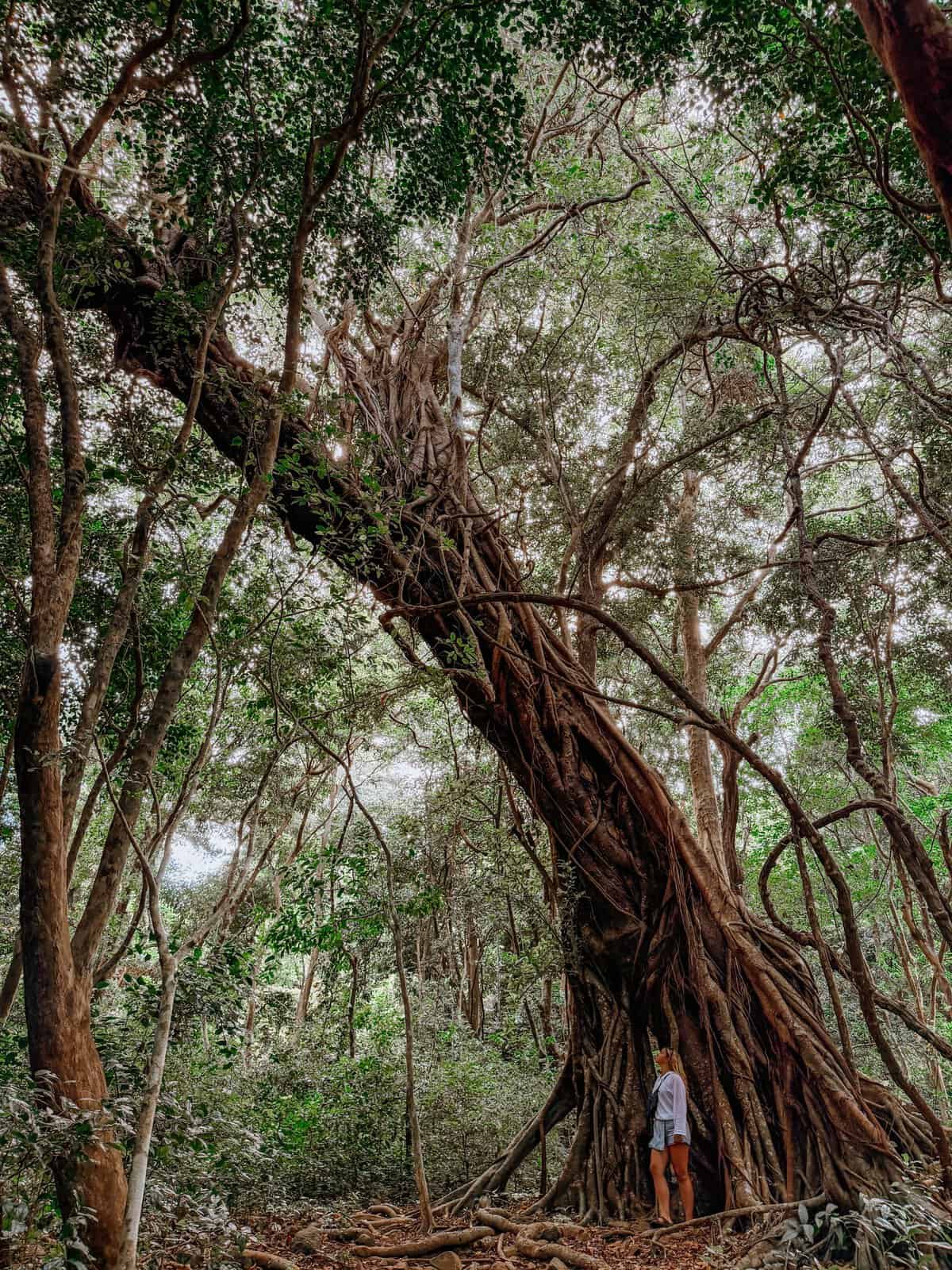
I love jungles, but I’m also cautious about snakes and insects. What makes Con Dao special: most hiking routes are paved. You can walk through thick jungle, surrounded by huge trees, without worrying about where you step.
Even without spotting much wildlife, the jungle feels incredibly alive — loud, dense, and constantly moving. We did meet other travelers who saw a bright blue snake, so wildlife is definitely there.
Access officially requires a ticket. If you enter from a trail without a ticket office, you can usually just buy it directly from a ranger on the way. (Ticket costs 50.000 dong= less than 2 EUR.)
Best Hikes in Con Dao National Park
1. Trekking Núi Lò Vôi (Near Con Son Town)
A quick 20–30 minute uphill walk with rewarding views. (Hike Starting Point)
At the top, we saw pitcher plants! It was our first time seeing them in the wild — after searching them for years in places like Borneo — which made this hike unexpectedly special.
2. Dam Tre Hike (Near the Airport)
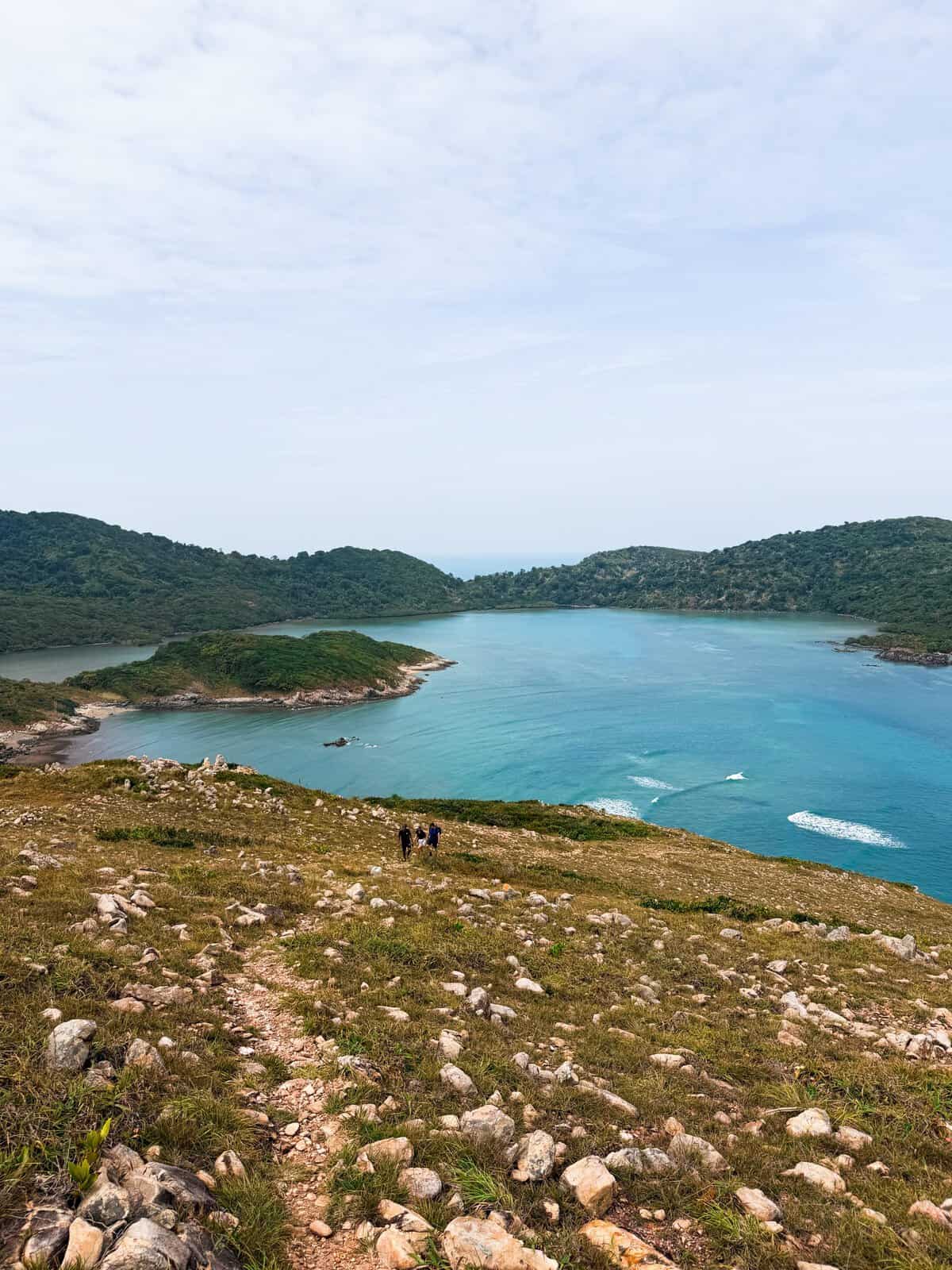
A route through paved jungle that opens up to a quiet bay at the edge of the island.
You get both: deep forest and open ocean views in one hike.
Tip: to make the hike significantly shorter, park your scooter at the farther end of the beach.
3. Suối Bãi Bàng (Jungle – Waterfall Trail)
This hike starts at the HQ of the national park, leading to a hidden waterfall through a longer, paved road in the thick jungle. The waterfall itself is nothing special, but if you love thick jungles, you`ll have a great time.
Dam Tre Bay, Con Dao Jungles of Con Dao
Con Dao Prison
Con Dao is not just about beaches — it also has one of the darkest histories in Vietnam.
The island was used for decades as a prison system, with multiple sites spread across Con Son town. Today, you can visit these former prisons, many of which are preserved as historical landmarks.
We visited independently, but found it difficult to fully understand the sites. There is limited explanation on-site, so much of the context is easy to miss without guidance.
Inside, you’ll see life-sized figures recreating scenes of torture. Walking through the cells feels intense and unsettling.
If you’re interested in the history, ask your accommodation to arrange a local guide. It adds essential context and makes the visit far more meaningful.
Expect a heavy atmosphere — this is not a light activity, but an important part of Con Dao’s past.
Best Restaurants of Con Dao
During our nearly two weeks in Con Dao, we tried a mix of very local eateries and a few more modern places. The most memorable food experiences came from small, local spots where mainly Vietnamese people eat.
For breakfast and coffee, we stayed at Hotel de Condor and always ate there since the breakfast was phenomenal. Also, they serve both cappuccino and Vietnamese coffee there. Even if you’re not staying there, it’s likely you visit for breakfast.
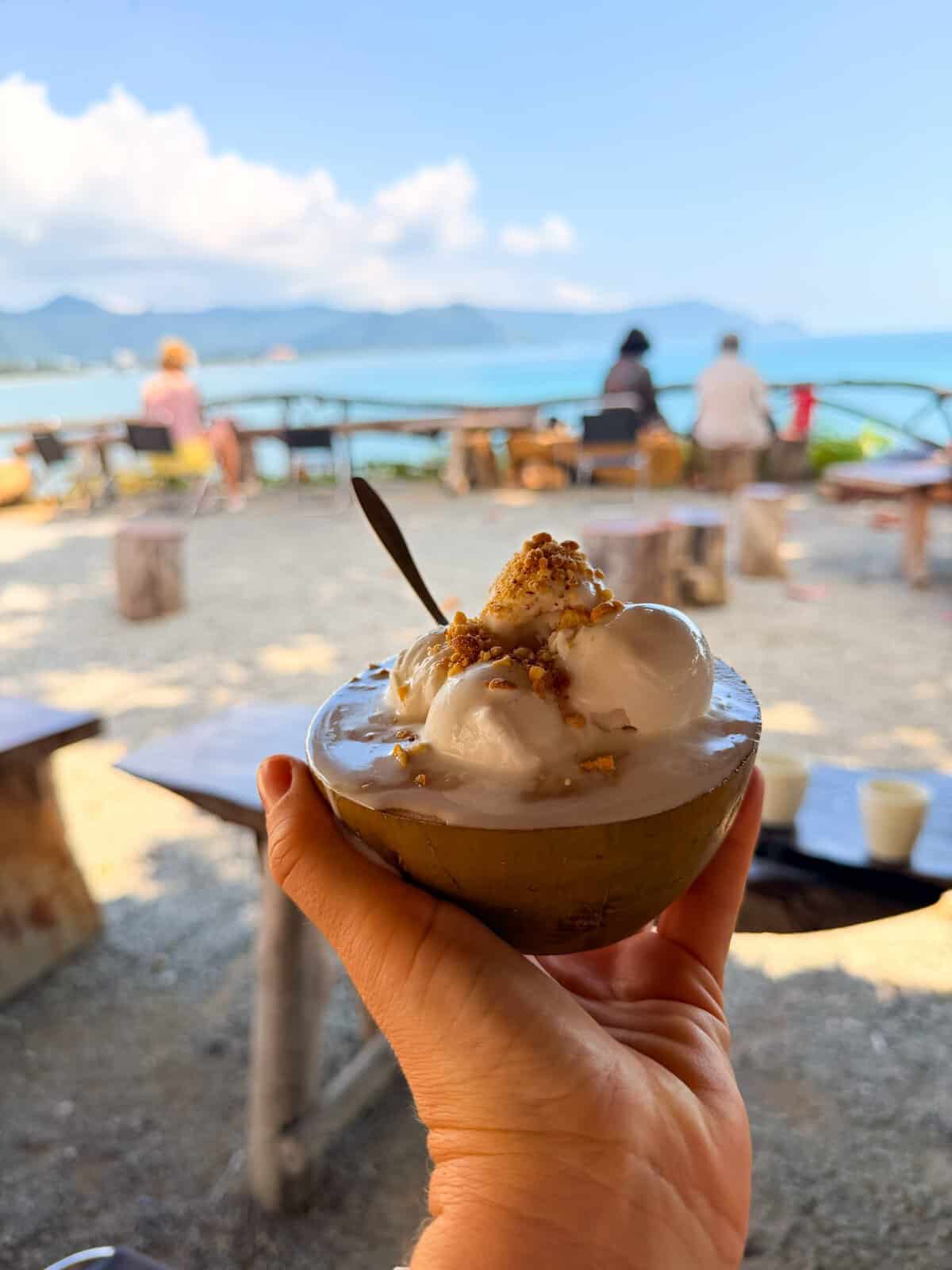
For coffee with ocean view, Sunrise Con Dao is a popular spot. It also works as a bar at night. Try the coconut ice cream, or enjoy a cold beer.
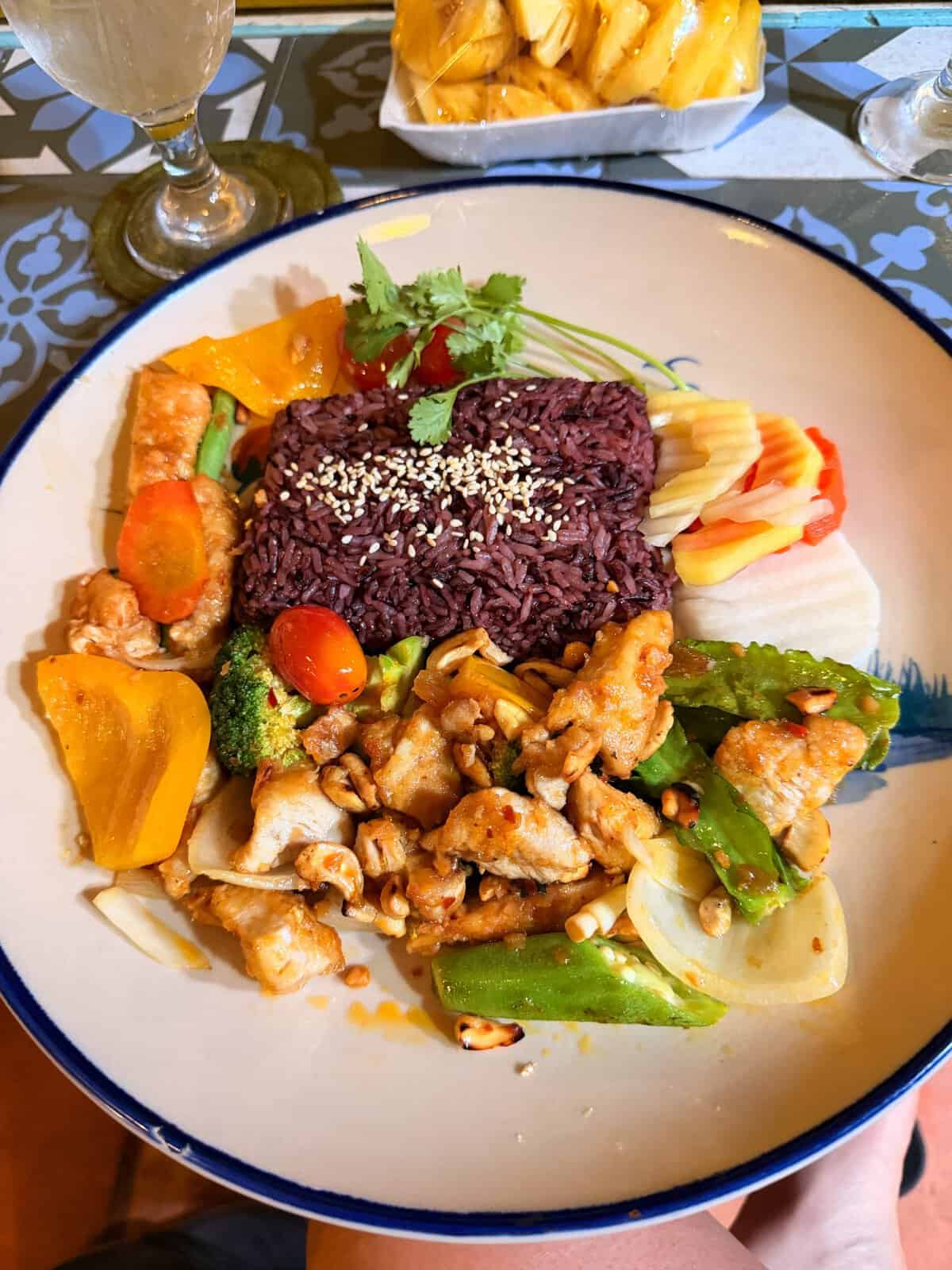
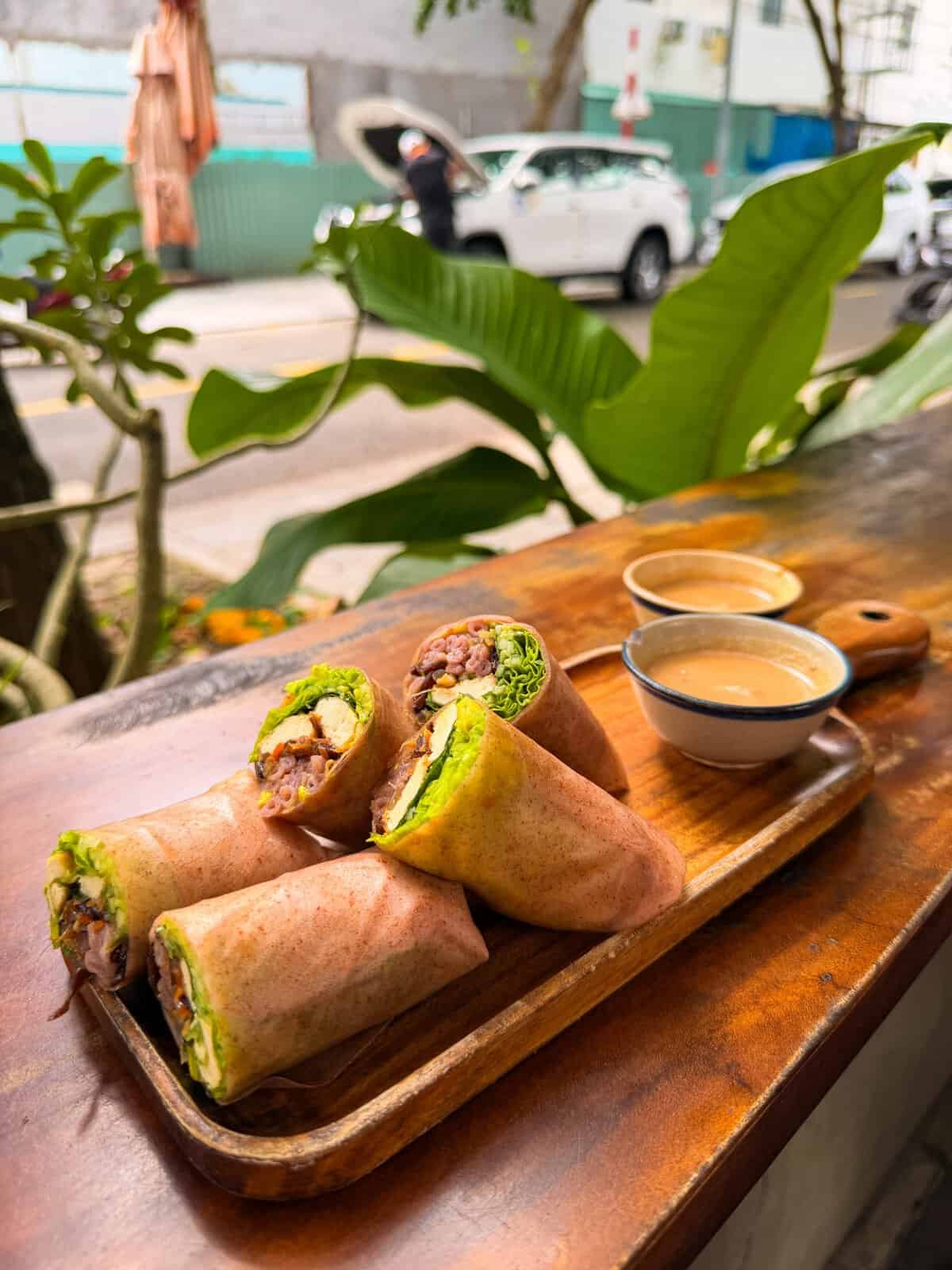
On the local side, Cơm Phở Bảo Yến is a very authentic place and one of the best spots we found for pho. It’s simple, very local, and the food is excellent. MAY Bistro was probably the most consistently good for Vietnamese food — we ate there multiple times. An Ơi Cafe & Restaurant is another option, especially for delicious vegetable rolls with peanut sauce.
There are also a few more modern places on the island. Riso Amaro is run by an Italian who recently moved to Con Dao. It has a rooftop terrace, serves real Italian food (including pizza). Although it`s more expensive, they serve very high quality food, so in my opinion, it`s worth it.
For a more local experience beyond restaurants, visit the market. Don’t stop at the entrance — go further inside where locals shop. We regularly bought fresh maracuja, longan, and bananas there.
Delicious Coconut Icecream at Sunrise Con Dao Dinner at MAY BISTRO Fruits from the Local Market Vegetable Rolls An Oi Restaurant
Con Dao vs Phu Quoc
I haven’t personally been to Phu Quoc, but after speaking with travelers and locals, the contrast is clear.
Con Dao is quiet and nature-focused. You get jungle, empty beaches, clean streets, and a slower pace.
Phu Quoc, on the other hand, is widely described as heavily commercialized. Expect large resorts, crowds, and a more built-up environment. Several locals we met had previously worked in Phu Quoc’s hotel industry and moved to Con Dao for its calmness and natural setting.
If you’re looking for nightlife, busy beaches, and resort-style travel, Phu Quoc may suit you better. If you prefer nature, quiet, and fewer crowds, Con Dao is the stronger choice.
That said, this is based on second-hand input — not personal experience — so take it as general guidance rather than a definitive comparison
Best Time to Visit Con Dao
We visited Con Dao in the second half of November, right when the weather is changing. The first few days were quite windy, but after that it cleared up, and it barely rained during the two weeks we stayed.
In general, the best time to visit Con Dao is during the dry season from December to April. You can expect plenty of sunshine, calmer seas, and overall better conditions for exploring beaches and hiking.
The rainy season usually runs from mid-May to mid-November. During this time, you can expect more wind, occasional heavy rain, and rougher sea conditions.
For a more detailed breakdown by month, it’s worth checking a precipitation chart before planning your trip.
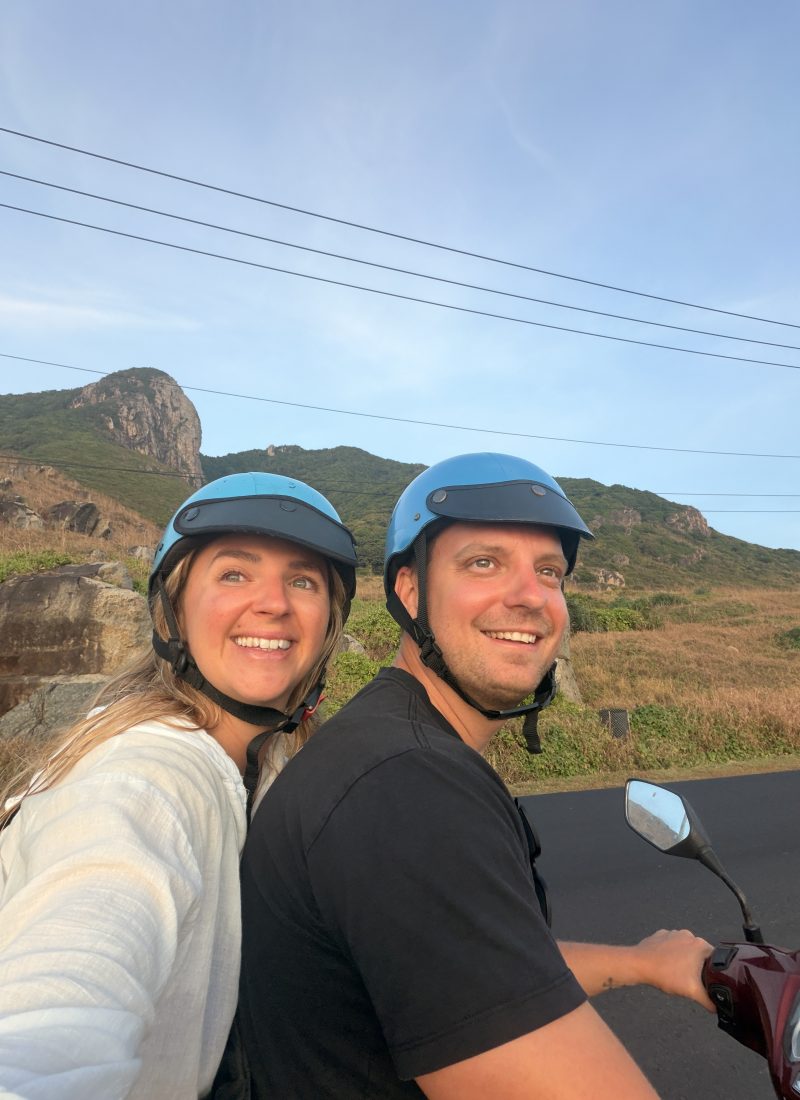
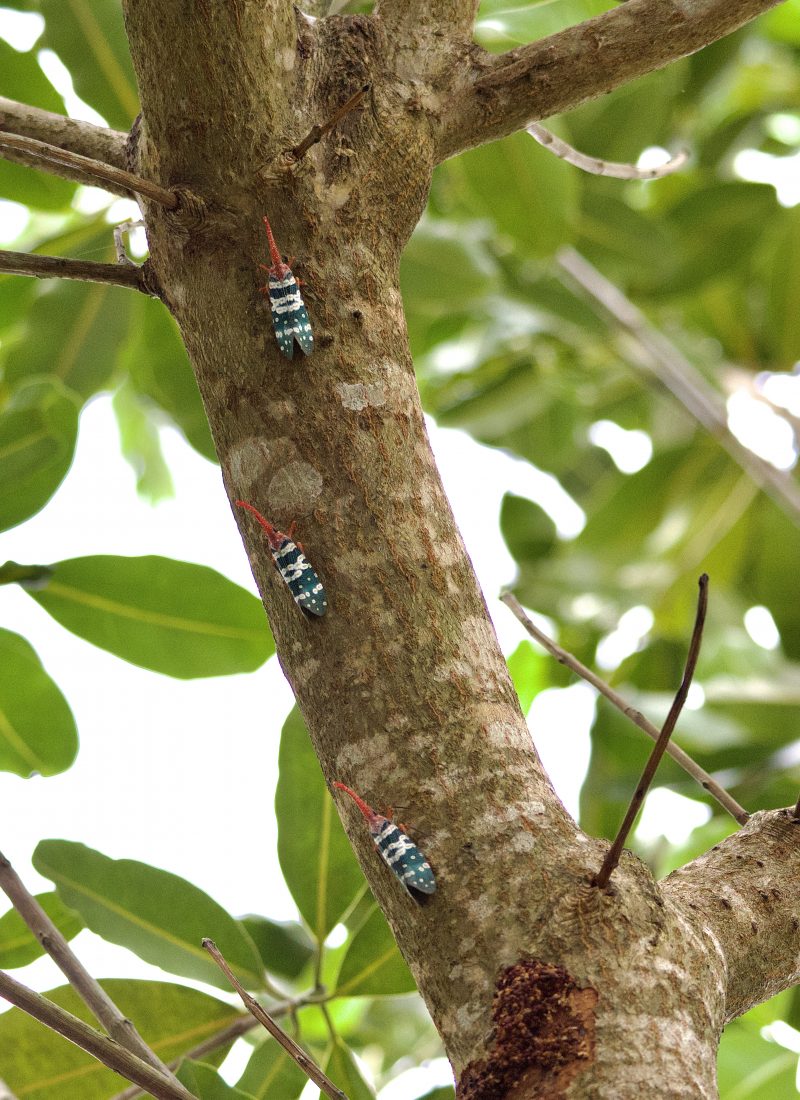
Us in Con Dao, Vietnam Litchi Lantern Bugs
How to get to Con Dao
Flights
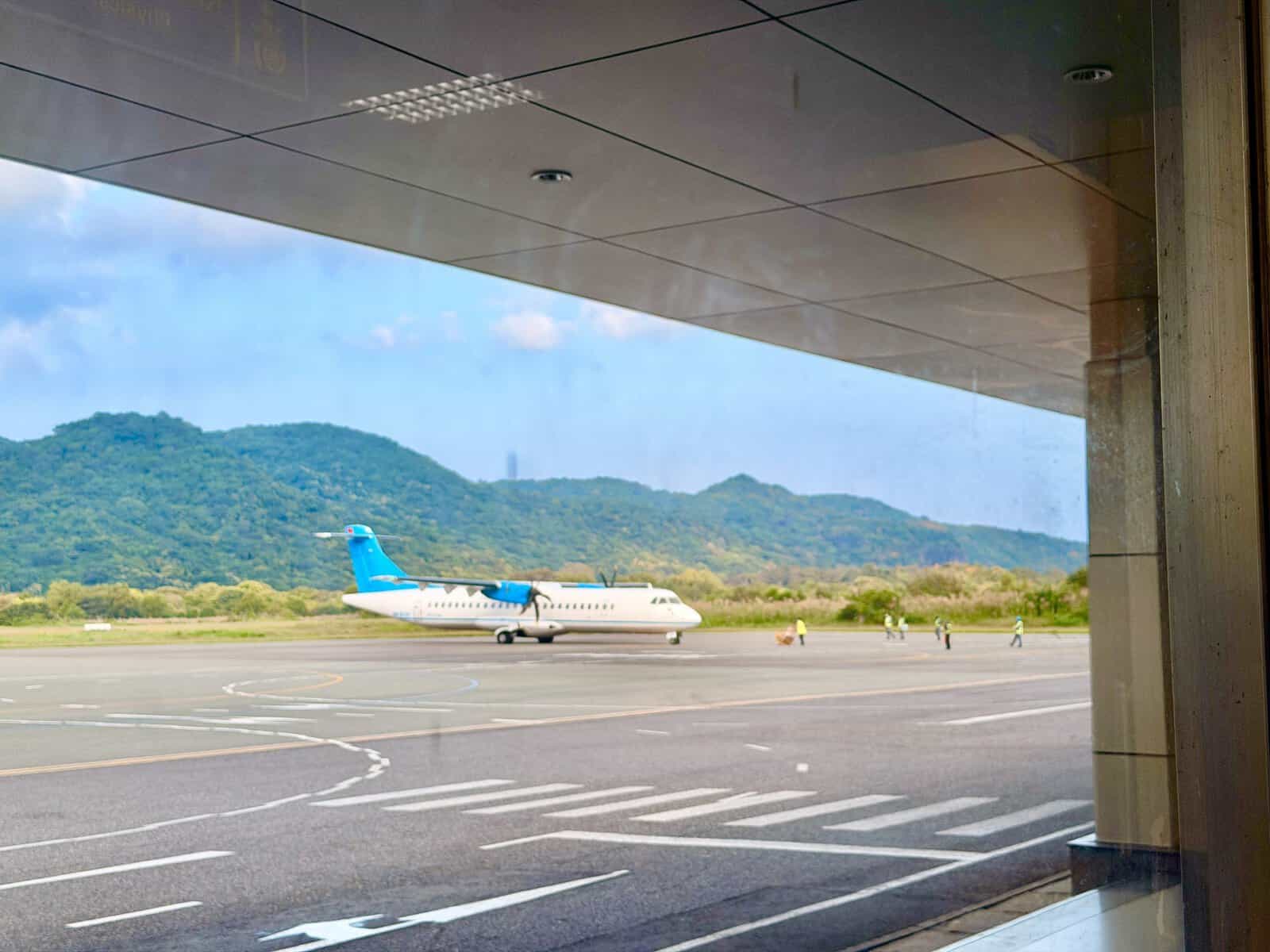
The easiest way to get to Con Dao is by flying. The airport in Con Dao is very small, so only small propeller planes operate here.
There are daily direct flights from Ho Chi Minh City, and a few flights per week from Hanoi. Flights are quite affordable, usually costing around €30–€40 even if you book a few days in advance.
The flight from Ho Chi Minh City takes around 45 minutes. From Hanoi, the flight takes approximately 2 hours and 10–15 minutes.
Once you arrive, you can take the shuttle bus which is a shared minivan and they can take you to your hotel – we took the minivan both ways and were happy with with. Alternatively, you can take a taxi to get to your accommodation.
Ferry
Another option is taking a ferry to Con Dao. It’s a more budget-friendly choice, but it’s not for everyone.
The sea around Con Dao can be quite rough, and many locals even refer to it as the “vomit ferry,” which says a lot about the experience. If you’re prone to seasickness, this might not be the best option.
Getting Around
The best way to get around Con Dao is by renting a scooter. It gives you full flexibility to explore the island, especially since there is no public transport system (except for the airport shuttle bus).
If you’re not comfortable driving, you can usually ask your accommodation to arrange a driver for you. Ride-hailing apps like Grab are not operating on the island.
Alternatively, you can rent a bicycle, which is also a nice way to explore at a slower pace.
Traffic on Con Dao is very light, and the roads are in surprisingly great condition. They are wide, well-maintained, and easy to drive, which makes getting around the island feel very safe and relaxed.
Final Verdict: Con Dao
Con Dao was our final stop after traveling through north and central Vietnam — and it ended up being one of the most memorable places of the entire trip.
We originally planned to stay just a few days, but kept extending. In the end, it was hard to leave.
What makes Con Dao different is the combination of quiet beaches, dense jungle, and the freedom to explore everything by scooter. It feels raw, uncrowded, and very different than most places in Vietnam.
If you enjoy nature, hiking, and calm surroundings, Con Dao is a strong choice.
After Con Dao, we traveled to the Philippines and especially loved Siquijor and Camiguin — but Con Dao still stands out for how untouched it feels.
It was the first time I was crying when leaving a place as our plane left Con Dao.
If you’re unsure whether to go, feel free to reach out — but if this type of travel appeals to you, Con Dao is very likely worth it.



Thank you for a great guide!
thank you so much Lotta! Also, if you have any questions, I am here to answer! I love Con Dao and it became one of my favourite places! 🙂 Also, if you decide to stay at the same place where we did – please send me a picture with the owner or show him this article!!! :)) Thank you so much!!!